
Honeycrisp is a cold-hardy Minnesota apple celebrated for exceptionally crisp, juicy fruit with balanced sweet-tart flavor. The tree offers fragrant spring bloom and a midseason harvest that usually peaks in late September in the Upper Midwest.
- Fruit Tree
Malus domestica 'Honeycrisp'
Honeycrisp Apple Tree
Multi-Season Blooms
Pollinator FriendlyStatement Plant
Your Honeycrisp Apple Tree Care Guide
Warm Poppy RedLively & welcomingSoft Straw GoldLight & warmOlive Leaf GreenEarthy & calming
SUNLIGHT
Full Sun
WATER NEEDS
Regular Watering
MATURE SIZE
Height: 12–18ft
Spread: 12–18ft
BLOOM TIME
Mid to late spring; harvest typically early September in Wisconsin
MAINTENANCE
High
NATIVITY
Hybrid or Mixed Origin
CLIMATE COMPATIBILITY
Well suited to southeastern Wisconsin
BLOOM SCHEDULE
Edible Fruit, Spring Blooms

About Honeycrisp Apple Tree
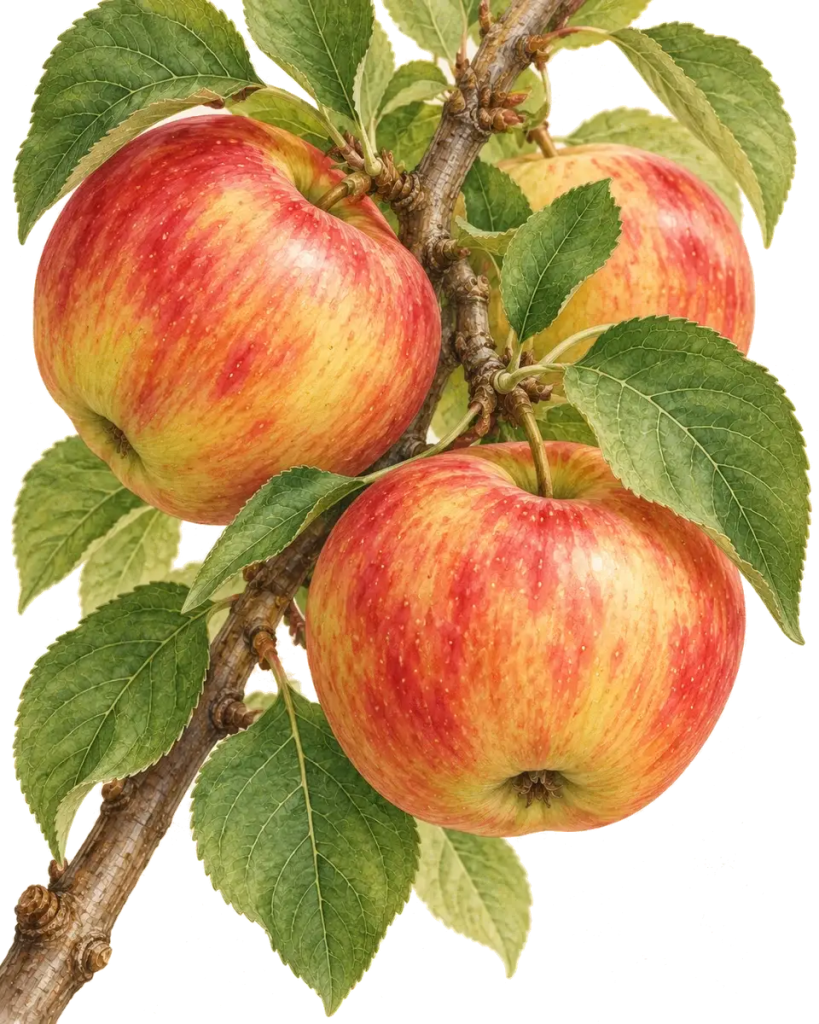
Honeycrisp is the kind of fruit tree that makes the landscape feel interactive. In spring, pale apple blossoms cover the branches and bring pollinators into the yard. Through summer the leafy canopy fills out, and then the tree begins showing off the red-blushed apples that made Honeycrisp so famous.
The fruit is only part of the experience. This is a tree homeowners can watch, care for, harvest from, and share from year to year. It does require more attention than a purely decorative tree, including regular pruning, monitoring, and a compatible pollinating apple nearby for a dependable crop. For someone who truly wants an edible landscape, that involvement can be part of the fun. Honeycrisp is not just something to look at—it gives the yard a season you can taste.
Malus domestica 'Honeycrisp'
Let's Find a Place for Honeycrisp Apple Tree in Your Landscape
You’ve found a plant you like. That’s wonderful! Now, let’s consider the light, space, and surroundings that will help it look its best in your landscape.
Proper Installation steps:
Give Honeycrisp a sunny, open position with room to reach around the tree at harvest. Set spacing from the actual rootstock rather than assuming a dwarf size, and determine support needs before planting. Avoid low spots that collect water or cold air, and include an apple pollen source with overlapping bloom.
DESIGN PROFILE
AT A GLANCE

Dappled Honeycrisp RedWarm & spirited — #C94749Warm Golden YellowSunny & welcoming — #D2B957Leaf GreenNatural & balanced — #506D40
Color Character
White to blush-pink spring blossoms; green foliage; red-blushed yellow-green apples
Helpful plant tip
If the supplied Honeycrisp needs permanent support, coordinate the posts with the garden’s fencing. A consistent finish makes necessary orchard hardware feel like part of the landscape.
Growth Form
Rounded fruit-tree canopy; ultimate size depends strongly on rootstock
Designer's Note
Place Honeycrisp in a sunny, open part of the backyard where there is room to move around the tree for pruning and harvest. Pair it with another compatible apple and keep the area beneath the canopy fairly simple so airflow, access, and fallen-fruit cleanup stay manageable.
Where This Plant Works Best
Where you plant it matters just as much as what you plant. Here are a few placements where it tends to do its best work.

Focal Points

Fruits & Harvest
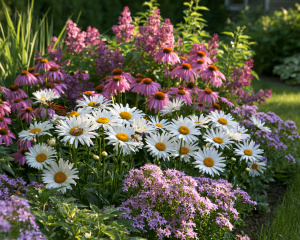
Pollinator Gardens
Honeycrisp Apple Tree Overview
The growing conditions and maintenance needed to keep it healthy and vibrant.
Soil & Drainage
Moist, Well-Drained Soil, Well-Drained Soil, Avoid Standing Water
Pruning & Seasonal Care
Plan on yearly dormant pruning to maintain a balanced, open canopy, plus fruit thinning when the tree sets heavily. Honeycrisp needs compatible apple pollen from another cultivar flowering at the appropriate time, so it should be designed as part of a pollination plan rather than planted in isolation and expected to carry a full crop automatically.
Watering & Moisture
Consistent soil moisture is particularly valuable for Honeycrisp. Water young trees deeply while establishing and avoid allowing fruiting trees to swing dramatically between very dry and very wet conditions. Supplemental irrigation during Wisconsin drought periods can reduce tree stress and support better fruit development.
Winter Resilience
Excellent Winter Resilience
Plant Strength
Moderate Structural Resilience
Better Together
Complete your landscape design by adding compatible natural accents and neighboring foliage to enhance this plant’s colors and textures.
Pair It With
Hand-selected companion plantings that tie in well and add cohesive dimension.


Complementary Elements
Natural landscape finishes that pair well with this plant and bring harmony to your design.

Natural Wood Mulch

Dark Organic Mulch

Light Gravel

Gray Gravel

Gray Pavers

Warm Beige / Tan Pavers