
Kodiak® Orange is a durable Diervilla shrub with yellow summer flowers, orange-tinted new growth, and glowing orange-red fall foliage. It thrives from sun into shade and handles dry, difficult sites better than many colorful shrubs.
- Flowering Shrub
Diervilla × splendens 'G2X88544'
Kodiak® Orange Bush Honeysuckle
Drought Tolerant
Pollinator FriendlyMulti-Season Blooms
Low Maintenance
Your Kodiak® Orange Bush Honeysuckle Care Guide
Burnt OrangeBold & warmingHoney GoldWarm & mellowMoss GreenNatural & grounded
SUNLIGHT
Sun to Partial Shade
WATER NEEDS
Low Water Needs
MATURE SIZE
Height: 3–4ft
Spread: 3–4ft
BLOOM TIME
Early to late summer
MAINTENANCE
Very Low
NATIVITY
Hybrid or Mixed Origin
CLIMATE COMPATIBILITY
Well suited to southeastern Wisconsin
BLOOM SCHEDULE
Fall Color, Summer Blooms
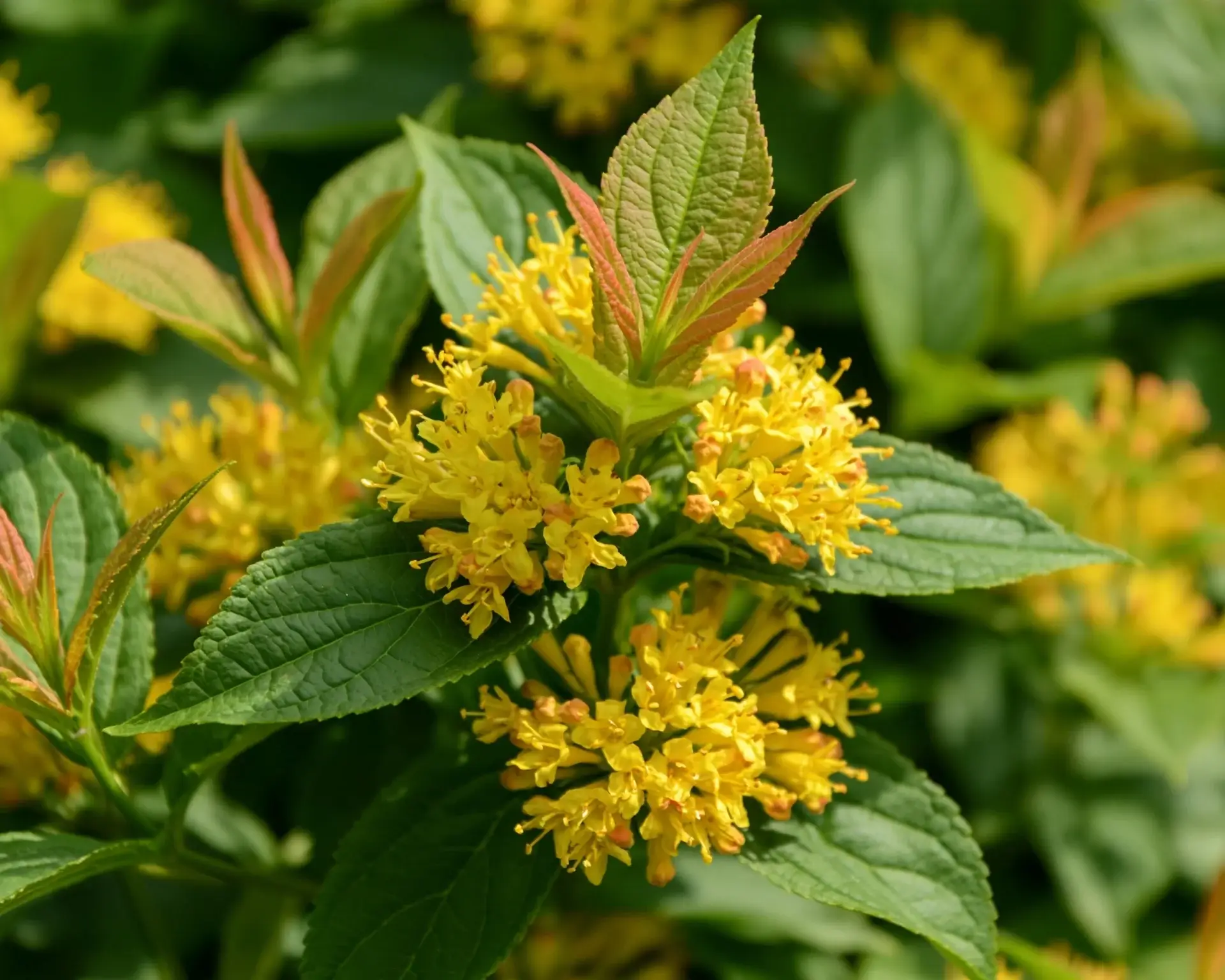
About Kodiak® Orange Bush Honeysuckle
Kodiak® Orange is one of those shrubs that becomes more impressive when you realize where it can grow. It handles sun, partial shade, and even dry shade once established, which makes it genuinely useful beneath taller trees or in those awkward areas where other flowering shrubs never seem completely happy.
It also gives you more than simple toughness. Small yellow flowers appear in summer and attract bees, butterflies, and hummingbirds. The foliage brings warm orange tones through the season and develops a brighter orange-red glow in fall. Despite the common name bush honeysuckle, this plant is a Diervilla, not the invasive Lonicera honeysuckle that causes problems in Midwestern natural areas. That makes Kodiak® Orange a much friendlier way to bring warm color and wildlife activity into a challenging landscape spot.
Diervilla × splendens 'G2X88544'
Let's Find a Place for Kodiak® Orange Bush Honeysuckle in Your Landscape
You’ve found a plant you like. That’s wonderful! Now, let’s consider the light, space, and surroundings that will help it look its best in your landscape.
Proper Installation steps:
Group Kodiak Orange through the middle of a broad border or along an open woodland edge, allowing about 4–5 feet between plants. Give the planting room to expand rather than squeezing it between paving and a wall. It accepts varied exposures, but use a brighter position where foliage color is the main design goal.
DESIGN PROFILE
AT A GLANCE
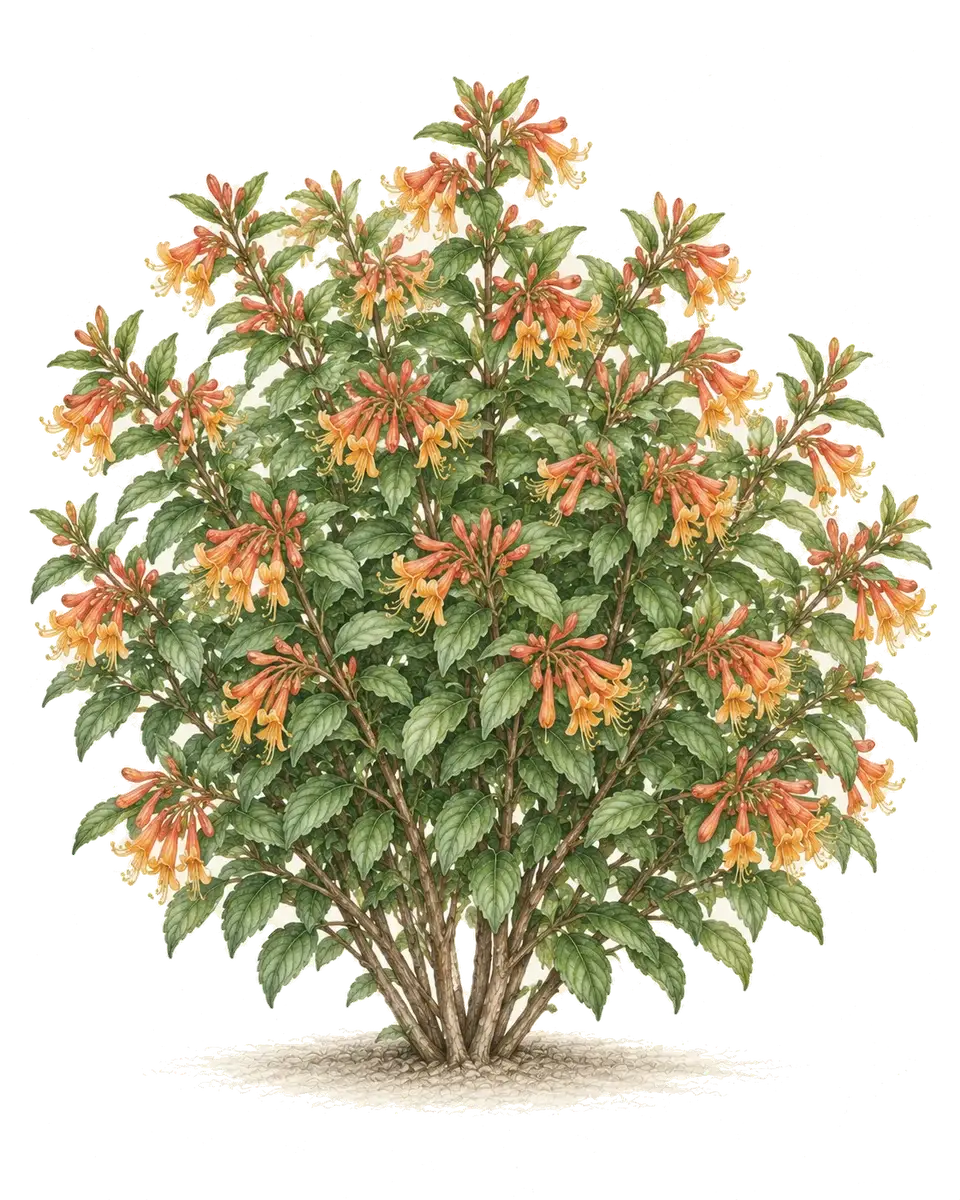
Glowing OrangeWarm & radiant — #D76A2AWarm Flower YellowSoft & sunny — #E3B64BNatural Leaf GreenCalm & natural — #647B46
Color Character
Yellow summer flowers; orange-bronze new growth; green summer leaves; glowing orange-red fall foliage
Helpful plant tip
Carry Kodiak Orange around a bend in a woodland-edge bed, with a second group partly hidden. Its warm autumn foliage can draw the eye onward and make the garden unfold gradually.

Growth Form
Dense, rounded to spreading deciduous mound
Designer's Note
Use Kodiak® Orange beneath high tree canopies, along woodland edges, on slopes, or in transition areas where light and moisture change throughout the day. Blue-green evergreens, purple foliage, and pale grasses make its warm fall color look especially rich.
Where This Plant Works Best
Where you plant it matters just as much as what you plant. Here are a few placements where it tends to do its best work.

Foundation Plantings
Mass Plantings
Pollinator Gardens

Slopes & Difficult Areas
Kodiak® Orange Bush Honeysuckle Overview
The growing conditions and maintenance needed to keep it healthy and vibrant.
Soil & Drainage
Well-Drained Soil, Adaptable to a Range of Soils, Tolerates Dry Soil, Clay-Soil Tolerant
Pruning & Seasonal Care
Little pruning is required. Shape in early spring if necessary, or give it a light trim during the season when you want to encourage a fresh flush of intensely colored new foliage. Avoid constantly shearing it into a rigid shape; its relaxed mound is part of what makes it useful in natural-looking landscape layers.
Watering & Moisture
Water regularly while Kodiak Orange establishes, then let its naturally adaptable personality take over. Established plants can tolerate dry conditions surprisingly well, including challenging dry-shade situations, though occasional deep watering during prolonged drought keeps foliage fuller and reduces stress.
Winter Resilience
Excellent Winter Resilience
Plant Strength
Sturdy Structure
Better Together
Complete your landscape design by adding compatible natural accents and neighboring foliage to enhance this plant’s colors and textures.
Pair It With
Hand-selected companion plantings that tie in well and add cohesive dimension.


Complementary Elements
Natural landscape finishes that pair well with this plant and bring harmony to your design.

Natural Wood Mulch

Dark Organic Mulch

Light Gravel

Gray Gravel

Gray Pavers

Warm Beige / Tan Pavers