Aronia melanocarpa 'UCONNAM165'

Low Scape Mound® Aronia

Low Scape Mound® Aronia is a tough native-species cultivar with white spring flowers, glossy green foliage, dark purple-black berries, and brilliant red fall color. Its low woody mound works beautifully for edging, massing, slopes, and groundcover-style plantings.

AdaptableMulti-Season Blooms Pollinator FriendlyLow Maintenance

Your Low Scape Mound® Aronia Care Guide

Warm CrimsonBold & warmPlum CharcoalDeep & understatedWarm WhiteClean & gentle
SUNLIGHT

Sun to Partial Shade

WATER NEEDS

Occasional Watering

MATURE SIZE

Height: 1–2ft

Spread: 1.5–2ft

BLOOM TIME

Mid to late spring

MAINTENANCE

Very Low

NATIVITY

Wisconsin Native

CLIMATE COMPATIBILITY

Well suited to southeastern Wisconsin

BLOOM SCHEDULE

Decorative Fruit or Berries, Fall Color, Spring Blooms

Low Scape Mound® Aronia

About Low Scape Mound® Aronia

Low Scape Mound® Aronia is a little shrub with an unexpectedly long list of seasonal tricks. White flowers open in spring and bring pollinators into the bed. Dark purple-black fruit follows, and then the leaves turn brilliant red and orange in fall, giving the plant one final burst of color before winter.

All of that happens on a dense mound only a foot or two tall. Its small size makes it easy to use along bed edges, slopes, and places where a taller shrub would block the view. It is also wonderfully adaptable once established, handling a wider range of soil and moisture conditions than many ornamental shrubs. For homeowners who want a low plant that still feels interesting across several seasons, Low Scape Mound® gives you far more than its size suggests.

Aronia melanocarpa 'UCONNAM165'

Let's Find a Place for Low Scape Mound® Aronia in Your Landscape

You’ve found a plant you like. That’s wonderful! Now, let’s consider the light, space, and surroundings that will help it look its best in your landscape.

Proper Installation steps:

Use broad, repeated groups at the front of a shrub border or across an open slope, spacing plants about 2–3 feet apart. Allow room for the planting to spread instead of treating each plant as a permanently isolated ball. Choose sun or partial shade and match neighboring plants to the actual soil moisture.

DESIGN PROFILE

AT A GLANCE

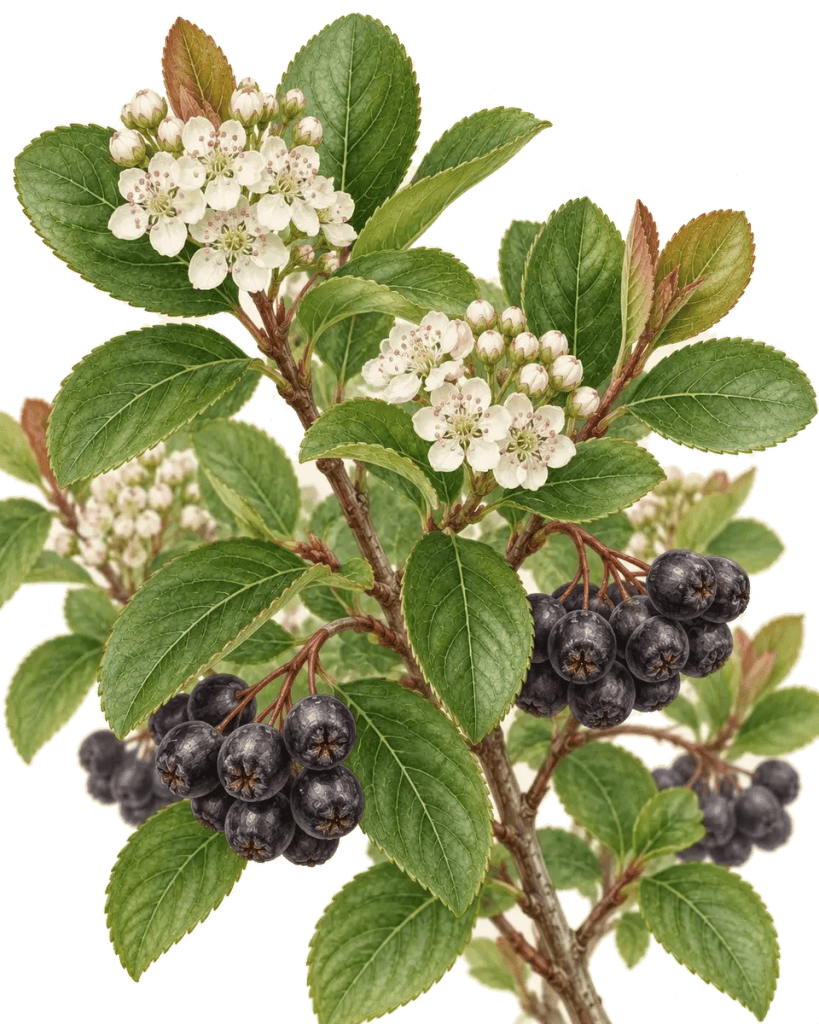
Hand-drawn botanical illustration of Low Scape Mound® Aronia showing its full growth form
Brilliant Autumn RedBrilliant & bold — #B43A42Purplish Black BerryInky & dramatic — #39323ECreamy WhiteSoft & warm — #F1EEE5

Color Character

White spring flowers; glossy dark green foliage; purple-black fruit; brilliant red-orange fall color

Hand-drawn botanical close-up illustration of Low Scape Mound® Aronia

Growth Form

Very low, dense, spreading and mounded

Designer's Note

Repeat Low Scape Mound® along a bed edge, slope, or broad foundation planting so the spring flowers and fall color read as a larger sweep. It is especially useful below taller shrubs where you need a low layer that will not disappear visually after bloom season.

Where This Plant Works Best

Where you plant it matters just as much as what you plant. Here are a few placements where it tends to do its best work.

Foundation Plantings
Borders & Edging
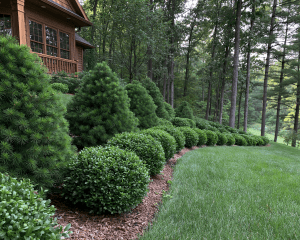
Borders & Edging
Mass Plantings
Mass Plantings
Pollinator Gardens
Pollinator Gardens
Slopes & Difficult Areas

Low Scape Mound® Aronia Overview

The growing conditions and maintenance needed to keep it healthy and vibrant.

Soil & Drainage

Well-Drained Soil, Adaptable to a Range of Soils, Tolerates Dry Soil, Tolerates Wet Soil, Clay-Soil Tolerant

Pruning & Seasonal Care

Routine fertilizing and pruning are rarely necessary. Remove dead or damaged stems and lightly shape after flowering only when needed. If berries are part of the reason you chose the plant, remember that aggressive pruning immediately after bloom also removes potential fruit.

Watering & Moisture

Low Scape Mound is unusually forgiving once established. It prefers moderate moisture but can tolerate both periods of dryness and wetter soil better than many ornamental shrubs. Give new plants dependable water, then supplement mainly during prolonged heat or drought.

Winter Resilience

Excellent Winter Resilience

Plant Strength

Sturdy Structure

Better Together

Complete your landscape design by adding compatible natural accents and neighboring foliage to enhance this plant’s colors and textures.

Pair It With

Hand-selected companion plantings that tie in well and add cohesive dimension.

Complementary Elements

Natural landscape finishes that pair well with this plant and bring harmony to your design.