
- Perennial
Lavandula angustifolia ‘Munstead’ — seed-grown strain
Munstead Strain English Lavender
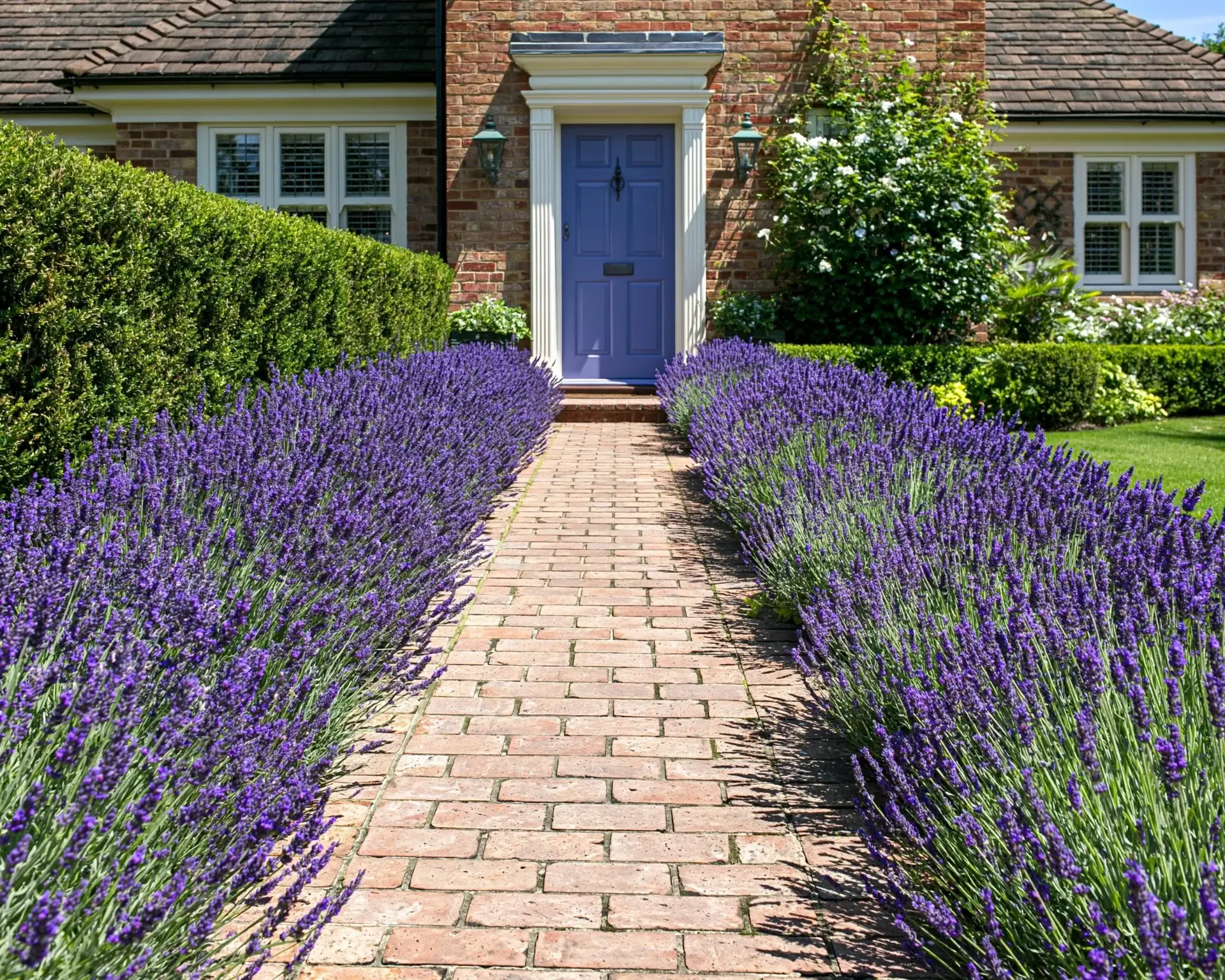
Blue-purple flowers rise from a low mound of aromatic gray-green foliage. A Munstead seed strain makes a softly varied group rather than a set of identical plants.
Your Munstead Strain English Lavender Care Guide
Full Sun
Low Water Needs
Height: 18in
Spread: 1.5–3ft
Summer; exact Wisconsin peak depends on source and season
Moderate
Non-Native
Suitable with added winter protection
Summer Blooms
About Munstead Strain English Lavender
Munstead brings fragrance and a soft texture to a sunny planting. Flowers rise above a low woody mound, while gray-green foliage connects separate plants visually. A seed-grown group has natural variation, which works best when a perfectly matched set is not essential to the design.
Lavandula angustifolia ‘Munstead’ — seed-grown strain
Let's Find a Place for Munstead Strain English Lavender in Your Landscape
You’ve found a plant you like. That’s wonderful! Now, let’s consider the light, space, and surroundings that will help it look its best in your landscape.
Proper Installation steps:
Confirm the supplied strain’s dimensions before spacing a sunny drift, typically around 2–3 ft centers. Keep crowns at their existing depth in a draining bed, with airflow and clearance from narrowing paths.
AT A GLANCE

Color Character
Lavender blue-purple; Gray-green foliage

Growth Form
Low, rounded, woody mound
Designer's Note
Where This Plant Works Best
Where you plant it matters just as much as what you plant. Here are a few placements where it tends to do its best work.

Munstead Strain English Lavender Overview
The growing conditions and maintenance needed to keep it healthy and vibrant.
Well-Drained Soil, Tolerates Alkaline Soil, Avoid Standing Water
Light shaping after flowering; retain leafy growth and avoid hard cuts into old bare wood. Delay removal of questionable winter growth until survival is clear.
Establish with careful deep watering, then allow drying. Avoid wet winter soil, frequent lawn irrigation and moisture trapped at the woody base.
Benefits from Winter Protection
Benefits from a Protected Site
Better Together
Complete your landscape design by adding compatible natural accents and neighboring foliage to enhance this plant’s colors and textures.
Pair It With
Hand-selected companion plantings that tie in well and add cohesive dimension.


Complementary Elements
Natural landscape finishes that pair well with this plant and bring harmony to your design.


