
Green Velvet Boxwood is a cold-hardy broadleaf evergreen with dense, velvety green foliage and a naturally rounded shape. Its compact form is a dependable choice for low hedges, foundations, formal edging, and year-round structure.
- Evergreen Shrub
Buxus × 'Green Velvet'
Green Velvet Boxwood
Deer Resistant
Adaptable
Your Green Velvet Boxwood Care Guide
Forest GreenRich & groundingMeadow GreenEasy & natural
SUNLIGHT
Sun to Partial Shade
WATER NEEDS
Regular Watering
MATURE SIZE
Height: 3–4ft
Spread: 3–4ft
BLOOM TIME
Spring; flowers are small and inconspicuous
MAINTENANCE
Moderate
NATIVITY
Hybrid or Mixed Origin
CLIMATE COMPATIBILITY
Well suited to southeastern Wisconsin
BLOOM SCHEDULE
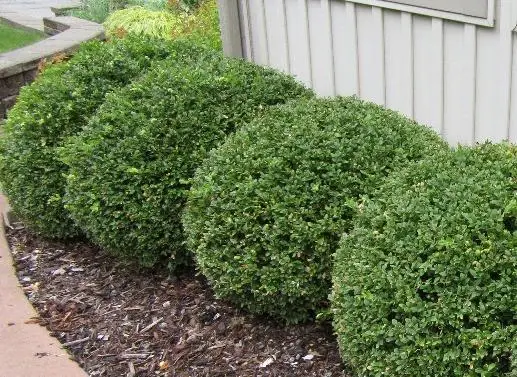
Winter Beauty, Year-Round Greenery
About Green Velvet Boxwood
Green Velvet Boxwood is not trying to steal the show with flowers, and that is exactly why it is so useful. Its small evergreen leaves form a dense, rounded shrub that stays present all year. You can keep the shape soft and natural or trim it more neatly when a cleaner, more formal look suits the home.
That steady green structure makes everything around it feel more organized. Hydrangeas can bloom wildly, perennials can come and go, and ornamental grasses can move with the season while the boxwood stays quietly in place. In winter, when most of those plants have disappeared or gone dormant, Green Velvet still gives the bed a visible shape. It is the kind of plant you may not notice first, but you would absolutely notice if it were missing.
Buxus × 'Green Velvet'
Let's Find a Place for Green Velvet Boxwood in Your Landscape
You’ve found a plant you like. That’s wonderful! Now, let’s consider the light, space, and surroundings that will help it look its best in your landscape.
Proper Installation steps:
Use repeated mounds or a low edging line in a sheltered front or middle bed. Allow roughly 3 feet between plants for a loose grouping, with more space where distinct rounded plants are wanted. Favor morning sun or light shade, good drainage, and protection from drying winter wind.
DESIGN PROFILE
AT A GLANCE
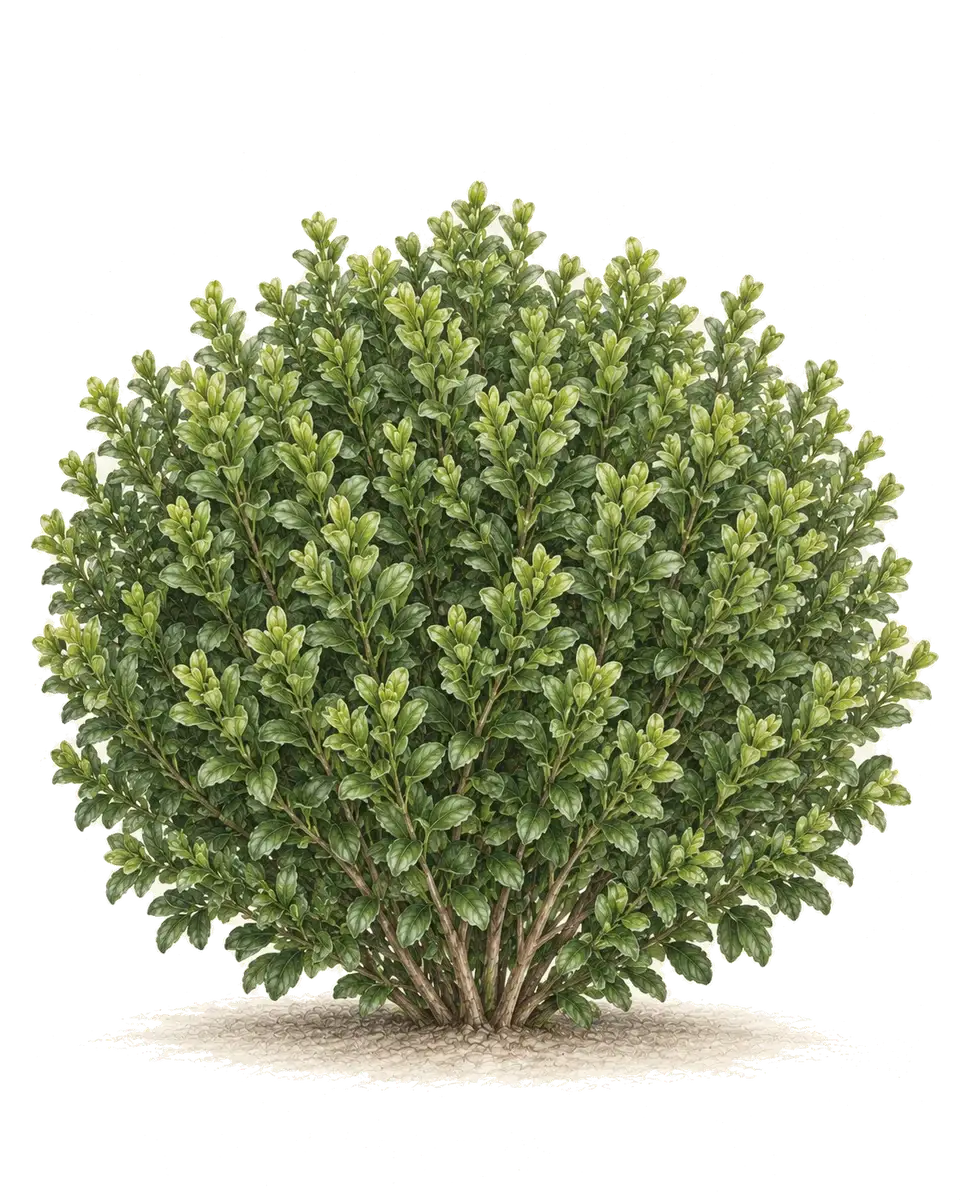
Rich Evergreen GreenFull & grounding — #3F6342Fresh Spring GreenFresh & airy — #6C8754
Color Character
Rich emerald-green evergreen foliage with possible bronze tones in winter
Helpful plant tip
At an asymmetrical entry, balance one large flowering shrub with a small cluster of Green Velvet mounds on the other side. Similar visual weight can feel orderly without a mirrored planting.
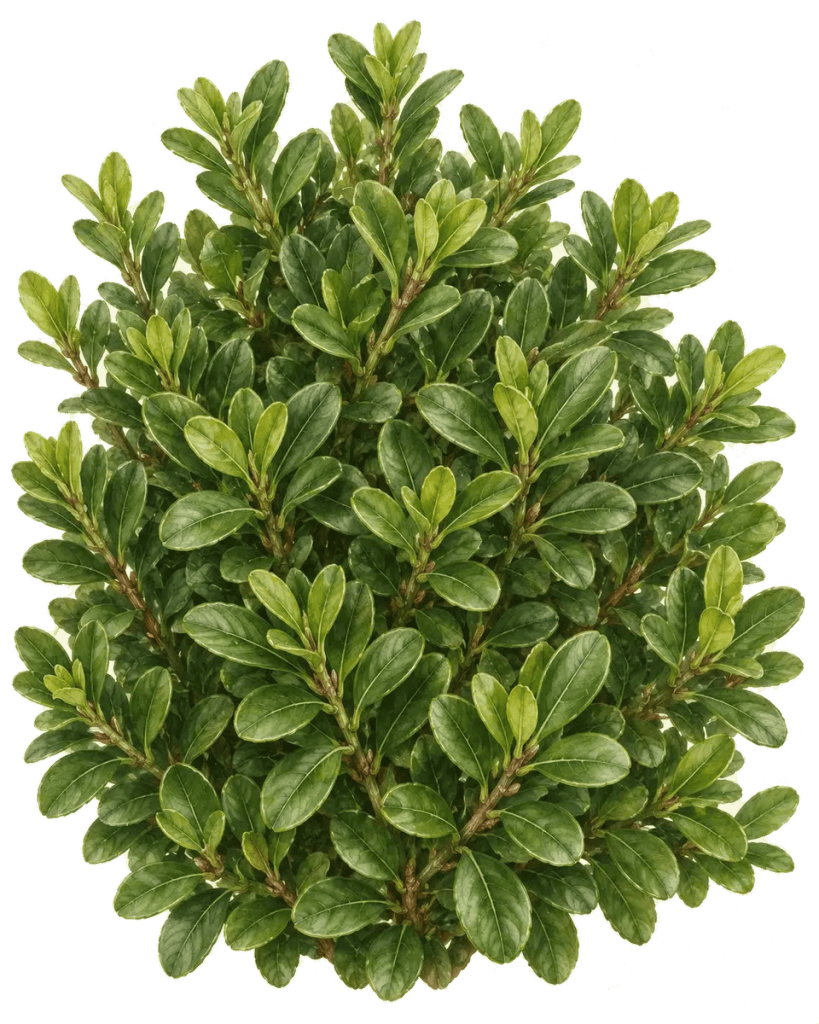
Growth Form
Dense, naturally rounded to oval evergreen mound
Designer's Note
Repeat Green Velvet Boxwood beneath windows, along a front walk, or at key corners of a foundation bed. Let it act as the steady green layer, then place more colorful and seasonal plants around it for contrast.
Where This Plant Works Best
Where you plant it matters just as much as what you plant. Here are a few placements where it tends to do its best work.

Foundation Plantings

Borders & Edging

Hedges & Privacy Screens
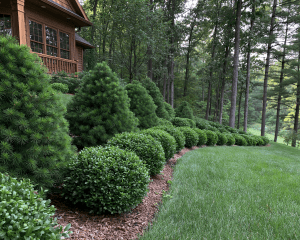
Mass Plantings
Green Velvet Boxwood Overview
The growing conditions and maintenance needed to keep it healthy and vibrant.
Soil & Drainage
Well-Drained Soil, Adaptable to a Range of Soils, Tolerates Alkaline Soil, Avoid Standing Water
Pruning & Seasonal Care
Green Velvet naturally forms a handsome rounded shape, so excessive shearing is unnecessary. Shape established plants in early spring if needed, then use occasional thinning or selective trimming during the growing season. Maintain a mulch layer over the root zone while keeping mulch away from the stems.
Watering & Moisture
Water consistently through the first growing season and during prolonged dry weather. Because boxwoods keep their leaves through winter, good hydration going into frozen weather is especially valuable in Wisconsin. Soil should drain freely; roots sitting in wet soil are a much bigger problem than an occasional dry surface.
Winter Resilience
Very Good Winter Resilience
Plant Strength
Sturdy Structure
Better Together
Complete your landscape design by adding compatible natural accents and neighboring foliage to enhance this plant’s colors and textures.
Pair It With
Hand-selected companion plantings that tie in well and add cohesive dimension.


Complementary Elements
Natural landscape finishes that pair well with this plant and bring harmony to your design.

Natural Wood Mulch

Dark Organic Mulch

Light Gravel

Gray Gravel

Gray Pavers

Warm Beige / Tan Pavers